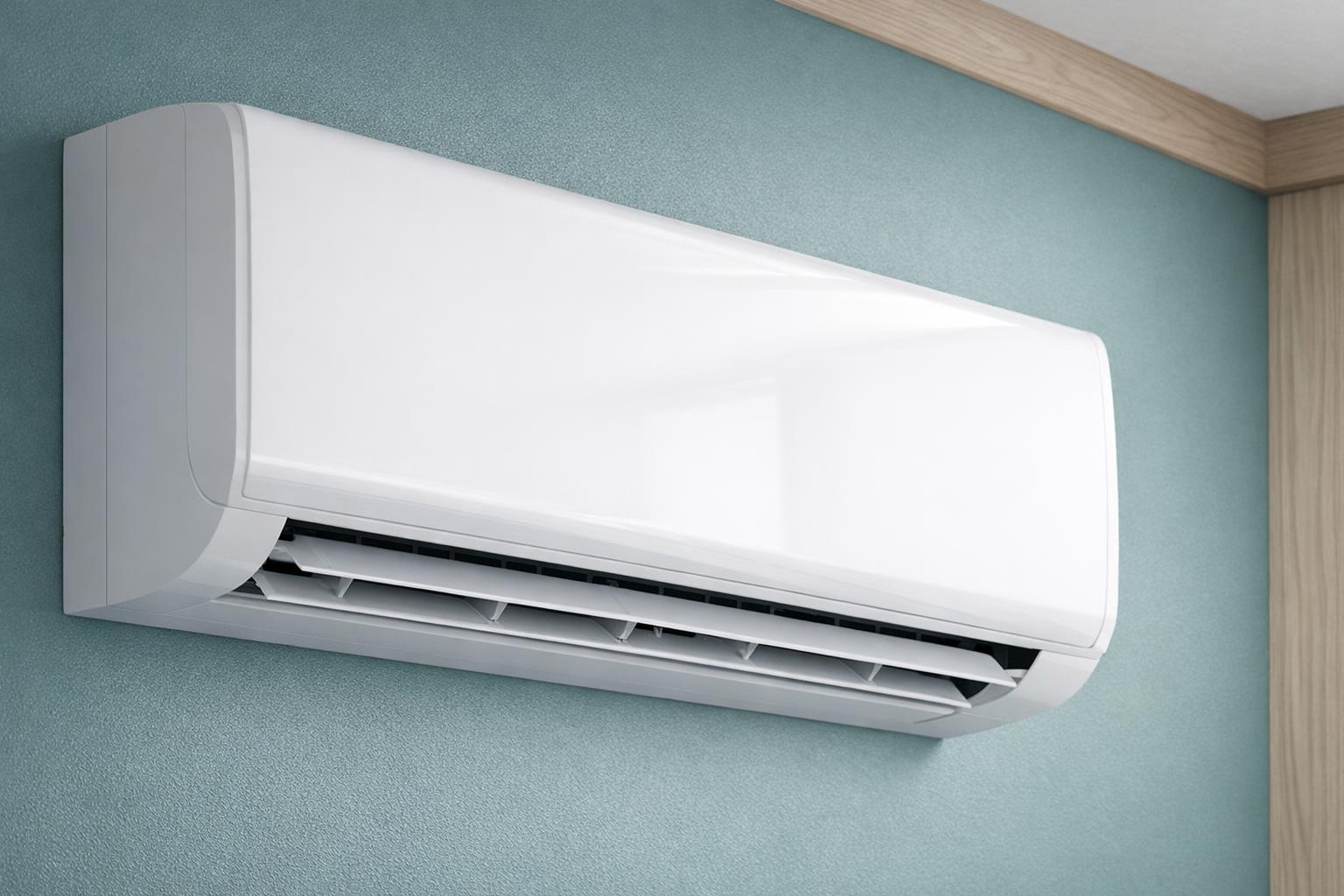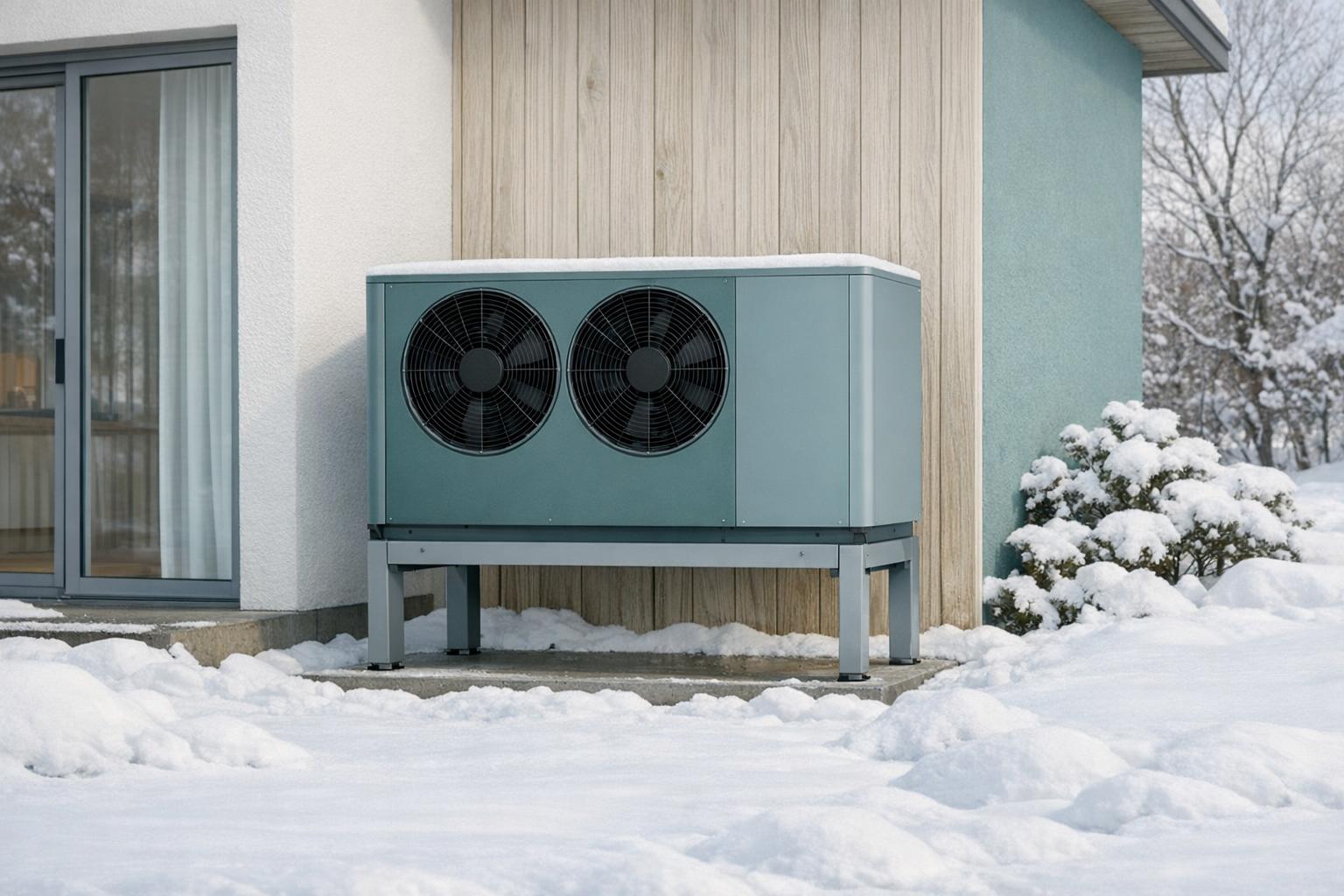
This guide is a purchase-planning reference for US ductless heat pump buyers. It separates the information an online listing can document from decisions that require the exact manufacturer manual and a qualified HVAC professional. We have not installed or physically tested the products in our catalog. Keep the selected indoor and outdoor model numbers together throughout your research; broad family names, lifestyle photographs and nominal capacity labels do not establish that a particular arrangement is right for your home.
Nominal capacity is a label, not a room calculation
The BTU number in a mini split title is a useful starting label. It is not a measurement of your home's heating or cooling requirement, and it does not promise the same output at every outdoor condition. Cooling capacity and heating capacity are separate considerations. A nominal class can contain systems with different performance tables and different minimum output. Treat a 12,000 BTU shortlist as a way to inspect that class after the required load is known, not as evidence that every room of a certain size belongs in it. A confident square-footage promise cannot replace the missing building information.
For the related decision, read Single-Zone vs Multi-Zone Mini Splits and keep those requirements alongside this checklist.

Ask what went into the load calculation
A room-by-room calculation considers the enclosure and conditions around each space, not only its floor dimensions. Ask the contractor which outdoor design temperatures, insulation assumptions, window properties and air leakage inputs were used. Confirm whether planned renovation work is included. Replacing windows or insulating an attic can change the relevant inputs, so decide whether the calculation represents the house today or the finished project. ENERGY STAR identifies Manual J as a sizing method for residential heating and cooling. You do not need to reproduce the calculation yourself, but you should receive enough documentation to understand why the proposed equipment was selected.
For the related decision, read Mini Split SEER2 and HSPF2 Explained and keep those requirements alongside this checklist.

Check the lower end as well as the maximum
Maximum capacity attracts attention, but many homes spend substantial time below design load. Ask the installer how the selected system handles smaller loads and what minimum modulation means for the intended rooms. An inverter label alone does not establish that the available range matches a small bedroom. Oversizing is not a free safety margin: equipment selection should account for both design conditions and ordinary operation. For a multi-zone arrangement, request guidance on what happens when only one small head calls for conditioning. Do not assume the largest condenser provides the best control simply because its nominal output is highest.
For the related decision, read Mini Split Cold-Weather Performance: What to Check and keep those requirements alongside this checklist.
Do not add head labels and call it output
Multi-zone listings often show several indoor-head sizes beside one outdoor capacity. Those labels describe components in a combination, not a guarantee that every head can deliver its label simultaneously. Ask for the manufacturer's approved combination table and the relevant connected-capacity limits. Room loads should determine head selection rather than dividing a total equally among bedrooms. Two rooms with the same floor area can have different exposures and glazing. Keep the outdoor identifier, every indoor identifier and the quantity of each on the proposal. Otherwise a quote can look specific while leaving the most important matching decision unresolved.
Use unit conversion for communication only
Our capacity converter divides a supplied BTU/h cooling load by 12,000 to express nominal refrigeration tons. It does not generate the input, select a product or allocate the load between rooms. The zones field is a reminder to preserve the room-by-room design. A result of one nominal ton is simply another expression of 12,000 BTU/h, not a certificate that a one-ton listing is suitable. Heating output at the local winter condition still requires separate verification. Keep the calculation report and performance tables alongside the conversion so that a convenient unit does not become an unsupported equipment recommendation.
Resolve the mismatch before ordering
If your contractor's recommendation differs from an online coverage claim, ask for the reason in terms of loads and exact-model data. Do not average the two answers or choose a compromise capacity without evidence. Clarify whether the equipment is supplemental, whether another heating source remains, and whether the design prioritizes both seasons. Delivery cost and return difficulty make this a decision to settle before shipment. A larger size can also change electrical and mounting requirements, so substitutions need review rather than an assumption of interchangeability. The purchase should follow a documented equipment selection, not force the installer to justify a carton already on site.
Questions to keep with your shortlist
Before following a purchase link, write down the exact configuration, the document supporting its suitability, the installer who accepts the equipment and any unanswered question from this guide. Check the selected variation, included items, current seller and return terms on Amazon. If an answer changes the design, resolve it before ordering rather than relying on a favorable review to fill the gap. Equipment offers and stock are time-sensitive; our displayed values disappear when their captured validity ends.